
The One Disaster Your Homeowners Policy Doesn’t Cover
Does Home Insurance Cover Flood Damage?
Short answer: No. A standard homeowners insurance policy does not cover flood damage. If rising water from heavy rain, storm surge, an overflowing river, or snow-melt gets into your home, you need a separate flood insurance policy. This is one of the most misunderstood gaps in homeowners coverage, and it catches thousands of people off guard every year.
Here’s everything you need to know about why that gap exists, what counts as a “flood,” and how to actually get covered.
Standard homeowners policies are built to cover sudden, specific events like fire, wind, theft, and certain types of water damage. A couple of examples I frequently use are a frozen pipe that bursts, or a washing machine hose that fails.
What Actually Counts as a “Flood”?
The cause of the water determines whether you’re covered by anything at all. Causation is the crux of the matter with many home insurance claims and flooding/water is a big one here.
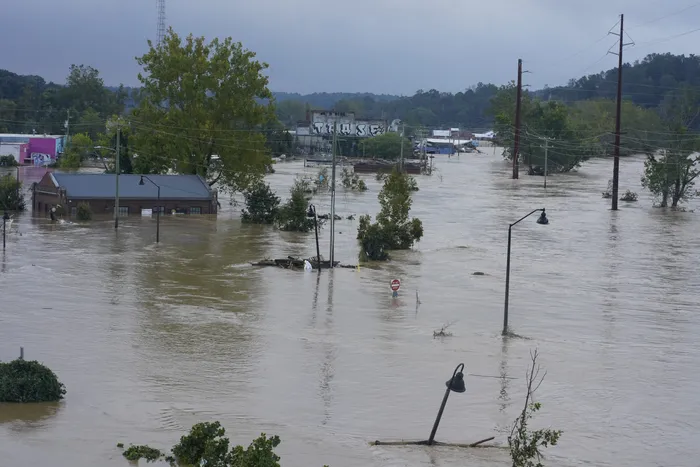
The official definition used by the NFIP is water that affects two or more acres of normally dry land, or two or more properties, coming from things like:
- Overflowing rivers, lakes, or streams
- Storm surge or heavy coastal wave action
- Heavy or prolonged rainfall
- Rapid snow-melt
- A levee or dam failure
If water enters your home this way, your homeowners policy won’t help — you need flood insurance. Around here, the biggest one is probably heavy or prolonged rainfall.
However, if a sewer backs up because of a flood, that’s typically only covered under a flood policy. But if the same sewer backs up because of a clogged pipe with no flood involved, that’s a different claims situation entirely. You can buy this sewer/drain coverage on your home policy.
So What Does My Homeowners Policy Cover?
Your standard policy still covers water damage — just not flood-caused water damage.
Typically covered:
- Burst or frozen pipes (happens every December/January/February around here)
- A malfunctioning appliance (dishwasher, washing machine, water heater)
- Roof leaks from wind or hail damage
- Accidental overflow from a tub or toilet
The distinction insurers make is essentially: water falling or leaking from above or within your home = homeowners insurance. Water rising up from outside = flood insurance. This is a simplistic way of looking at it but helpful.
Who Actually Needs Flood Insurance?
More people than you’d think. A few facts worth knowing:
- Homes in high-risk flood zones (Special Flood Hazard Areas) are usually required to carry flood insurance if they have a government-backed mortgage.
- Nearly a third of all NFIP claims come from homes outside high-risk flood zones. Moderate- and low-risk doesn’t mean no-risk. This statistic surprised me.
- If your property ever received federal flood disaster assistance in the past, flood insurance is required going forward.
How Do I Get Flood Insurance?
You have two main paths:
- National Flood Insurance Program (NFIP): Available if your community participates in NFIP floodplain management rules (most do). Building coverage goes up to $250,000, and contents coverage up to $100,000. https://www.fema.gov/about/glossary/national-flood-insurance-program-nfip
- Private flood insurance: Offered by a growing number of private insurers, sometimes with higher limits or faster underwriting than the NFIP.
One timing detail that trips people up: flood policies typically take 30 days to go into effect after purchase. You can’t buy coverage the day before a storm hits and expect it to apply — so it’s worth arranging coverage well before hurricane or flood season, not during it.
We offer flood insurance, so call or email if you would like more details.
The Bottom Line
If you take one thing away from this: assume your homeowners policy does not cover flood damage unless you’ve confirmed otherwise with your insurer in writing. Given how common and costly flooding is — and how many claims come from outside “high-risk” zones — it’s worth a five-minute conversation with your insurance agent to check your risk and close the gap before a storm makes the decision for you.
This article is for general informational purposes and isn’t a substitute for advice from a licensed insurance agent about your specific policy and location.





















Comments
Comments are closed.