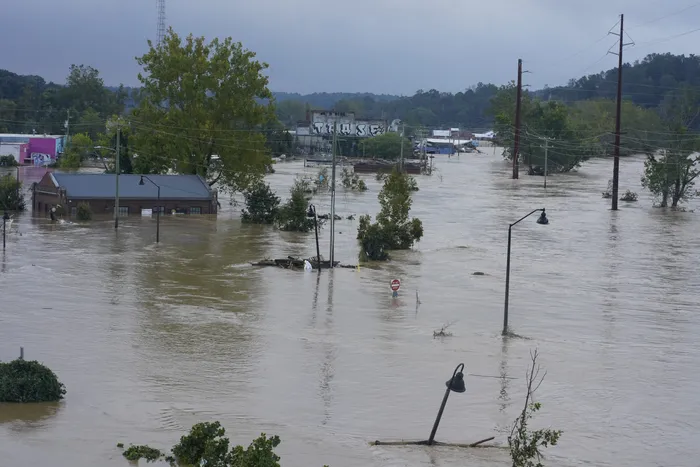
Short answer: No. A standard homeowners insurance policy does not cover flood damage. If rising water from heavy rain, storm surge, an overflowing river, or snow-melt gets into your home, you need a separate flood insurance policy. This is one of the most misunderstood gaps in homeowners coverage, and it catches thousands of people off guard every year.
Here’s everything you need to know about why that gap exists, what counts as a “flood,” and how to actually get covered.
Standard homeowners policies are built to cover sudden, specific events like fire, wind, theft, and certain types of water damage. A couple of examples I frequently use are a frozen pipe that bursts, or a washing machine hose that fails.
What Actually Counts as a “Flood”?
The cause of the water determines whether you’re covered by anything at all. Causation is the crux of the matter with many home insurance claims and flooding/water is a big one here.
The official definition used by the NFIP is water that affects two or more acres of normally dry land, or two or more properties, coming from things like:
Overflowing rivers, lakes, or streams
Storm surge or heavy coastal wave action
Heavy or prolonged rainfall
Rapid snow-melt
A levee or dam failure
If water enters your home this way, your homeowners policy won’t help — you need flood insurance. Around here, the biggest one is probably heavy or prolonged rainfall.
However, if asewer backs up because of a flood, that’s typically only covered under a flood policy. But if the same sewer backs up because of a clogged pipe with no flood involved, that’s a different claims situation entirely. You can buy this sewer/drain coverage on your home policy.
So What Does My Homeowners Policy Cover?
Your standard policy still covers water damage — just not flood-caused water damage.
Typically covered:
Burst or frozen pipes (happens every December/January/February around here)
A malfunctioning appliance (dishwasher, washing machine, water heater)
Roof leaks from wind or hail damage
Accidental overflow from a tub or toilet
The distinction insurers make is essentially: water falling or leaking from above or within your home = homeowners insurance. Water rising up from outside = flood insurance. This is a simplistic way of looking at it but helpful.
Who Actually Needs Flood Insurance?
More people than you’d think. A few facts worth knowing:
Homes in high-risk flood zones (Special Flood Hazard Areas) are usually required to carry flood insurance if they have a government-backed mortgage.
Nearly a third of all NFIP claims come from homes outside high-risk flood zones. Moderate- and low-risk doesn’t mean no-risk. This statistic surprised me.
If your property ever received federal flood disaster assistance in the past, flood insurance is required going forward.
How Do I Get Flood Insurance?
You have two main paths:
National Flood Insurance Program (NFIP): Available if your community participates in NFIP floodplain management rules (most do). Building coverage goes up to $250,000, and contents coverage up to $100,000. https://www.fema.gov/about/glossary/national-flood-insurance-program-nfip
Private flood insurance: Offered by a growing number of private insurers, sometimes with higher limits or faster underwriting than the NFIP.
One timing detail that trips people up: flood policies typically take 30 days to go into effect after purchase. You can’t buy coverage the day before a storm hits and expect it to apply — so it’s worth arranging coverage well before hurricane or flood season, not during it.
We offer flood insurance, so call or email if you would like more details.
The Bottom Line
If you take one thing away from this: assume your homeowners policy does not cover flood damage unless you’ve confirmed otherwise with your insurer in writing. Given how common and costly flooding is — and how many claims come from outside “high-risk” zones — it’s worth a five-minute conversation with your insurance agent to check your risk and close the gap before a storm makes the decision for you.
This article is for general informational purposes and isn’t a substitute for advice from a licensed insurance agent about your specific policy and location.
My heart goes out to our neighbors in Western North Carolina, Tennessee, and other southern states. The damage and loss is unprecedented! While Central Kentucky was spared the worst of the storm damage, now is the time to make sure your property is in the best condition to withstand upcoming weather events.
Whether it’s a tornado or severe thunderstorm, it’s critical to protect your home before the next storm hits to minimize damage and ensure your family’s safety.
Here are some key steps to take based on lessons learned from the latest storm.
1. Inspect and Reinforce Your Roof
Roofs are particularly vulnerable to high winds and heavy rain. Inspect your roof thoroughly for loose or damaged shingles, cracks, or other signs of wear or have a professional do so. Replace damaged shingles and consider reinforcing your roof with storm-resistant materials.
2. Fortify Windows and Doors
Many homes experience significant damage when windows are broken by flying debris or high winds. Don’t forget about doors—particularly garage doors, which are often the weakest point. Reinforce them to ensure they can withstand strong winds.
3. Clear Gutters and Drains
Flooding was a major issue during the recent storm, and clogged gutters only made it worse for many homeowners. Ensure your gutters and downspouts are free of debris so that water can flow away from your home. If your home is in a low-lying area, consider installing additional drainage solutions to minimize flood risk. French drains may be a good option.
4. Trim Trees and Remove Loose Items
Fallen trees and flying debris can cause a lot of damage. Trim any overhanging branches and cut back dead or dying trees near your house. Additionally, bring in outdoor furniture, grills, and other loose items, as they can become dangerous projectiles during strong winds. TRAMPOLINES ARE A HUGE RISK IN WIND STORMS. Tie them down securely.
5. Secure Backup Power Sources
Power outages were widespread in our area after the most recent storm, leaving many without electricity for days. Consider investing in a generator to keep essential appliances running during outages. Make sure you have fuel on hand and know how to operate the generator safely.
6. Prepare an Emergency Kit and Evacuation Plan
Prepare an emergency kit that includes flashlights, batteries, first aid supplies, food, water, and important documents.
7. Check Insurance Coverage
In the aftermath of a storm, many homeowners discovered they were underinsured. Review your homeowner’s insurance policy to ensure it covers storm-related damages such as wind, hail, and flooding. Consider adding flood insurance if you live in an area at risk. Flooding is not included in your standard home insurance coverage!
We recommend the Flood Guru for flood insurance. Here is his website for a quote if you’re interested.
By taking these steps, you can significantly reduce the risk of damage to your home and keep your family safe in the event of a future storm. Preparing ahead of time can make all the difference when the next storm hits.
Floods are one of the most common and devastating natural disasters that can occur, causing significant damage to homes, businesses, and infrastructure. Unfortunately, many people assume that their standard homeowners or renters insurance will cover flood damage, but in most cases, this is not true. That’s why it’s important to consider purchasing a separate flood insurance policy to protect your property and assets.
What is flood insurance?
Flood insurance is a type of insurance that covers losses or damages caused by flooding. It’s a separate insurance policy from your standard homeowners or renters insurance, and it’s typically offered through the National Flood Insurance Program (NFIP), which is managed by the Federal Emergency Management Agency (FEMA).
Who needs flood insurance?
Anyone who lives in an area that is prone to flooding should consider purchasing flood insurance. This includes people who live near rivers, lakes, or other bodies of water, as well as those who live in low-lying areas or areas that are prone to heavy rainfall. Even if you don’t live in a high-risk flood zone, it’s still a good idea to consider purchasing flood insurance, as floods can happen anywhere.
What does flood insurance cover?
Flood insurance typically covers damage to your property and belongings caused by flooding. This includes damage to your home’s structure, as well as damage to your personal property, such as furniture, electronics, and clothing. It may also cover damage to your home’s foundation, electrical and plumbing systems, and appliances. However, it’s important to note that flood insurance does not cover damage caused by other types of water damage, such as a burst pipe or a leaking roof.
How much does flood insurance cost?
The cost of flood insurance depends on a variety of factors, including the location of your property, the level of flood risk in your area, the age and value of your home, and the amount of coverage you choose. Generally, flood insurance premiums are higher in areas that are at higher risk of flooding. The cost can vary widely depending on your specific circumstances.
How do you purchase flood insurance?
Flood insurance is available through the National Flood Insurance Program (NFIP), which is managed by the Federal Emergency Management Agency (FEMA). You can purchase a flood insurance policy through an insurance agent or broker who is authorized to sell NFIP policies. It’s important to note that there is usually a 30-day waiting period before your flood insurance coverage takes effect, so it’s a good idea to purchase flood insurance well before flooding could become a problem.
Homeowner’s insurance is sometimes referred to as a fire policy. Modern homeowner’s policies have evolved from our grandparent’s “fire insurance” and today’s policies cover a wide range of perils. But does a homeowner’s insurance cover water damage?
Standard homeowner’s insurance offers little coverage when it comes to water damage, especially water due to heavy rains. When it comes to water damage, a flood policy is typically purchased to cover any damage from overflowing waterways, rain runoff, and of course, heavy rainstorms leading to floods.
There is a misconception among policyholders whobelieve flooding and standing water in the home, especially the basement. When surveyed, 33% of Americans believed that flooding was covered by a standard homeowner’s policy, and only 20% of at-risk properties in America are insured against flood damage. For example, during Hurricane Harvey, only $12 billion of the $40 billion of damage was covered by flood insurance. While we don’t have hurricanes in Kentucky, flood insurance may still be right for your home.
So,what type of water damage IS covered by my home insurance?
One of the main principles of homeowner’s insurance is the coverage for sudden and unpreventable events. When events are considered to be avoidable through routine maintenance, insurance claims are likely to be denied. Ensuring all appliances are in working order and free of leaks will help mitigate water damage caused by interior appliances, pipes, etc.
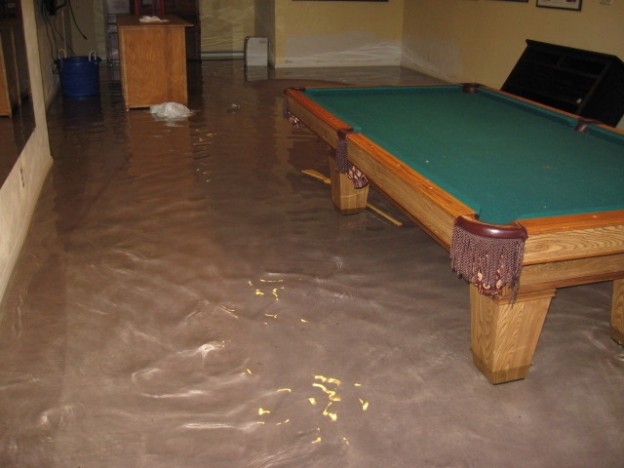
When pipes or appliances suddenly fail, subsequent water damage should be covered. For example, if your hot water heater bursts and floods your basement, you would be eligible to submit a claim. If a washer hose bursts, you would be eligible to submit a claim. If your basement floods from rainwater, you would normally NOT be eligible for a claim.
What is the deal with flood Insurance?
Most standard insurance companies do not offer flood insurance. A local broker can connect you to a policy issued by the National Flood Insurance Program or another private flood insurance program. These policies have strict limits of coverage and there are specific conditions to be met before a flood claim will be paid. If you live in a designated flood zone, you are required to buy flood insurance when you signed your mortgage. This protects the customer and the mortgage company in the event of a catastrophic event.
Where can I buy flood insurance?
At Castle insurance, we are connected to some of the few private flood policies available. Pricing and coverage options will vary.
Castle Insurance provided quick and personalized service and saved me hundreds of dollars on home and auto insurance compared to my previous policies. It was very nice to be able to talk to a local agent who was kind and caring about my needs.
We are relocating to the greater Georgetown area and are in need of a new insurance agency for our needs. I’m not sure how this office has any happy customers. In the past two weeks I have sent both a message to them from their website AND left a voicemail for them, clearly providing my contact info twice. No response. None. If this is how they treat potential new customers, I shudder to think how they would treat real clients….
Big shoutout to Heather Goodlett for helping me lower my insurance rates!! She was so helpful and took the time to explain all my options to me. She is definitely a huge asset to this company. Call and ask for her!
Very friendly great to work with and very good rates would highly recommend Castle Insurance. Kris does annual review to see if we have the right coverage for our needs. Sends out emails throughout the year,great service.
I had a wonderful experience working with Kris! She helped my mom and I get the best coverage for our needs and was very patient with all of our questions. As an insurance agent myself for 8 years who recently switched career paths, it was great working with someone who was knowledgeable and responsive, and I felt like I was in great hands! I look forward to continuing to work with Castle Insurance and feel confident in my change to Erie.
We have been with Castle Insurance for six years now. Chris Castle does an annual review to insure we are getting the proper coverage for our needs. And the been rates. We are thrilled to have her looking out for our best interest.
Working with castle insurance was easy, fast, and straightforward. Kris was very responsive and took calls outside of normal business hours to accommodate me as I lived in a different time zone at the time. The castle insurance team explained every detail of my policies and really streamlined the entire process. I would highly recommend this team!
Castle Insurance is top notch. Kris is informative about her industry and she genuinely cares about her clients and their family. She is very professional and a great human being!
As a realtor, many of my clients have thanked me for referring them to Castle Insurance. A+++ service. Highly recommended!!!
CastleInsuranceKY uses cookies ONLY to improve your experience on our site, but we do not harvest or sell your information. By using our site, you consent to the use of cookies.